

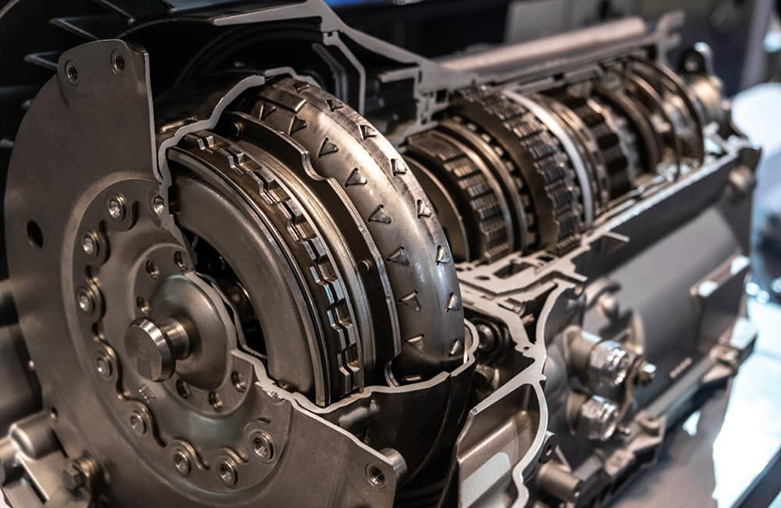
If you drive a manual transmission vehicle in Milwaukee, your clutch works hard every time you shift gears. Over time, wear adds up, and knowing when to plan a clutch replacement can help you avoid more extensive repairs and unexpected breakdowns.
The good news is your car usually gives clear warning signs before the clutch fails. Below, we break down what to watch for, when to act, and how to stay ahead of the problem to protect your transmission and your budget.
What Does a Clutch Do, and Why Does It Wear Out?
Your clutch connects the engine to the transmission. Every time you press the pedal, the clutch disengages, allowing you to shift gears smoothly. City driving, stop-and-go traffic, towing, and frequent short trips around Milwaukee all put extra stress on this system.
Clutches wear gradually, not all at once. That means most drivers have plenty of time to plan service if they know what to look for.
Common Signs You May Need a Clutch Replacement
Is Your Clutch Slipping While Driving?
One of the most common questions we hear is, “Why does my engine rev but my car does not speed up?” This is a classic sign of clutch slipping. It often happens when accelerating or driving uphill.
Does the Clutch Pedal Feel Different?
A clutch pedal that feels soft, spongy, or stiff, or that engages very high off the floor, can indicate clutch wear or hydraulic issues that should be checked.
Are Gears Hard to Shift?
If shifting feels rough, notchy, or if you hear grinding noises, the clutch may not be fully disengaging. This can lead to added wear on your transmission if ignored.
Do You Smell Something Burning?
A burning smell after driving, especially in traffic, can be caused by an overheated clutch. This usually means the friction material is wearing thin.
Is Your Car Shuddering When Starting from a Stop?
Clutch chatter or vibration when letting off the pedal can signal uneven wear or damaged components.
When Should You Schedule Clutch Replacement?
Scheduling clutch replacement early helps avoid damage to surrounding parts, such as the flywheel or transmission. If you notice more than one symptom or the issue is getting worse, it is time to have a professional inspection.
Most clutches last anywhere from 60,000 to 100,000 miles, but driving habits matter more than mileage alone. Milwaukee traffic patterns and winter driving can shorten that range for some vehicles.
Can You Keep Driving With a Bad Clutch?
This is a common question, and the short answer is yes, but it is risky. Continuing to drive with a worn clutch can lead to sudden failure, leaving you stranded. It can also increase repair costs if additional parts are damaged.
For a helpful overview of clutch warning signs and why they matter, check out this guide from AutoZone.
Why Local Experience Matters for Milwaukee Drivers
Clutch issues do not look the same for every driver. Cold starts, road conditions, and stop-and-go traffic all affect wear patterns. Working with a local transmission shop that understands Milwaukee driving conditions makes a difference in proper diagnosis and repair.
At Milwaukee Transmissions, our team focuses on accurate inspections so you know exactly what your vehicle needs, without guesswork.
Clutch Replacement in Milwaukee
Knowing when to plan clutch replacement helps you avoid stress, surprise breakdowns, and costly damage. If your vehicle is showing signs like slipping, hard shifting, or unusual smells, it is best not to wait. For drivers across Milwaukee, early attention often means a smoother repair process and a longer life for your transmission.
If you have questions or want a professional opinion, our team is here to help you stay confidently on the road. Contact us today about your clutch replacement.