
If your vehicle hesitates, slips, or jerks when shifting gears, it is more than just an annoyance. It is often an early warning sign that something inside the transmission needs attention. Knowing how an automatic transmission repair shop approaches these issues can help you understand what is happening under the hood and why a proper diagnosis matters.
At Milwaukee Transmissions, the goal is not to guess. It is to identify the real cause of the shifting problem and recommend the proper fix before minor issues turn into major repairs.
What Does a Shifting Problem Usually Feel Like?
Shifting problems can show up in different ways, depending on the vehicle and the underlying issue. Some of the most common symptoms include:
- Delayed or hard shifts between gears
- Slipping where the engine revs, but the car does not accelerate smoothly
- Shuddering or vibration during gear changes
- Trouble shifting when the vehicle is cold
- Warning lights related to transmission performance
These symptoms often point to internal transmission issues, fluid problems, or electronic control concerns. That is why diagnosis is the first step.
How an Automatic Transmission Repair Shop Starts the Diagnosis
Listening to the Driver’s Experience
The process usually begins with a conversation. A technician will ask questions like:
- When did the shifting issue start?
- Does it happen at certain speeds or temperatures?
- Is it getting worse over time?
This information helps narrow down whether the issue is mechanical, hydraulic, or electronic.
Checking Transmission Fluid Condition
One of the first physical checks involves transmission fluid. Low fluid levels, burned fluid, or fluid contaminated with metal particles can all affect shifting.
Technicians look at:
- Fluid level
- Color and smell
- Signs of internal wear
Fluid issues are common and sometimes indicate deeper problems that need attention.
Using Diagnostic Scans and Road Testing
Computer Diagnostics
Modern vehicles rely heavily on sensors and control modules. A diagnostic scan can reveal trouble codes tied to solenoids, sensors, or shift timing issues. This step helps identify electronic problems that may not be visible during a visual inspection.
Test Drive Evaluation
A road test allows the technician to feel the issue firsthand. They monitor shift points, engine response, and overall drivability. This real-world feedback often confirms what the diagnostic data suggests.
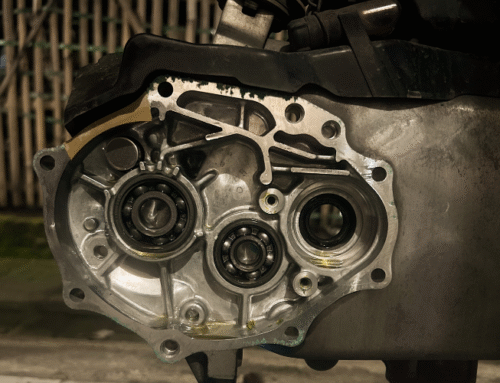
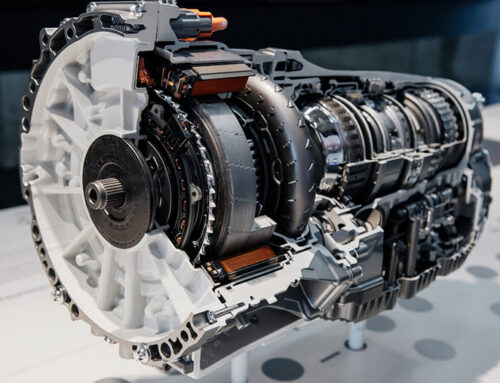
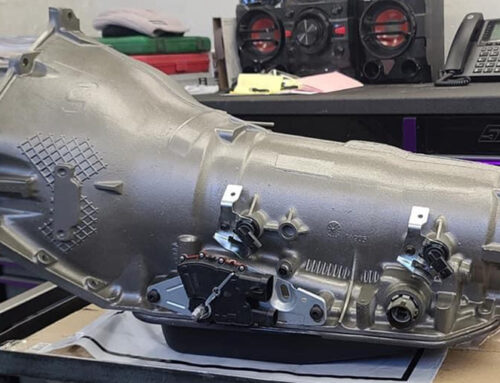
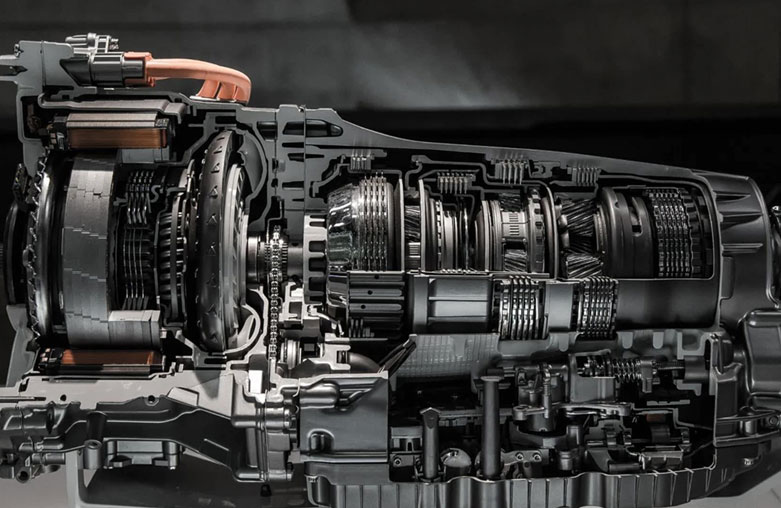
Inspecting Internal and Mechanical Components
When needed, a deeper inspection follows. This may include checking:
- Shift solenoids
- Valve body operation
- Clutch packs and bands
- Torque converter performance
Not every shifting problem requires a complete rebuild, but an accurate inspection ensures the right solution is chosen.
Why Accurate Diagnosis Matters at an Automatic Transmission Repair Shop
An experienced automatic transmission repair shop focuses on accuracy, not assumptions. Misdiagnosing a shifting issue can lead to unnecessary repairs or missed problems that come back later. Proper diagnosis helps extend the life of your transmission and saves money over time.
If you want a deeper understanding of how automatic transmissions work and why fluid condition and internal components are so important, this guide from HowStuffWorks explains the basics in a clear, easy-to-follow way.
Understanding the Value of a Professional Evaluation
Shifting problems rarely fix themselves. Early diagnosis gives you more options and often prevents larger failures. Working with a trusted automatic transmission repair shop means you get clear answers, honest recommendations, and repairs that match your vehicle’s actual needs.
If your car is not shifting the way it should, having it checked by experienced transmission specialists like the ones at Milwaukee Transmissions can make all the difference in keeping you confidently on the road in Milwaukee. Contact us today to book a transmission inspection.